




Pakistan’s political landscape is undergoing a transformation — and at its center stands the country’s youth. With over 60% of the population under 30, the new generation is no longer a passive observer of history. Instead, it is actively reshaping the present, questioning entrenched systems, and demanding a future built on accountability, inclusion, and reform.
What was once dismissed as “idealism” is now a formidable political force. This is not a symbolic role anymore; it is a lived, loud, and lasting reality.
The Demographic Power of Youth
Pakistan is one of the youngest nations in the world. According to the Pakistan Bureau of Statistics, 64% of citizens are below the age of 30. In a democracy, such a demographic tilt gives youth an unparalleled advantage: the power of numbers.
This “youth bulge” means no election, no reform agenda, and no national vision can succeed without engaging the young. They are not the future anymore — they are the present.
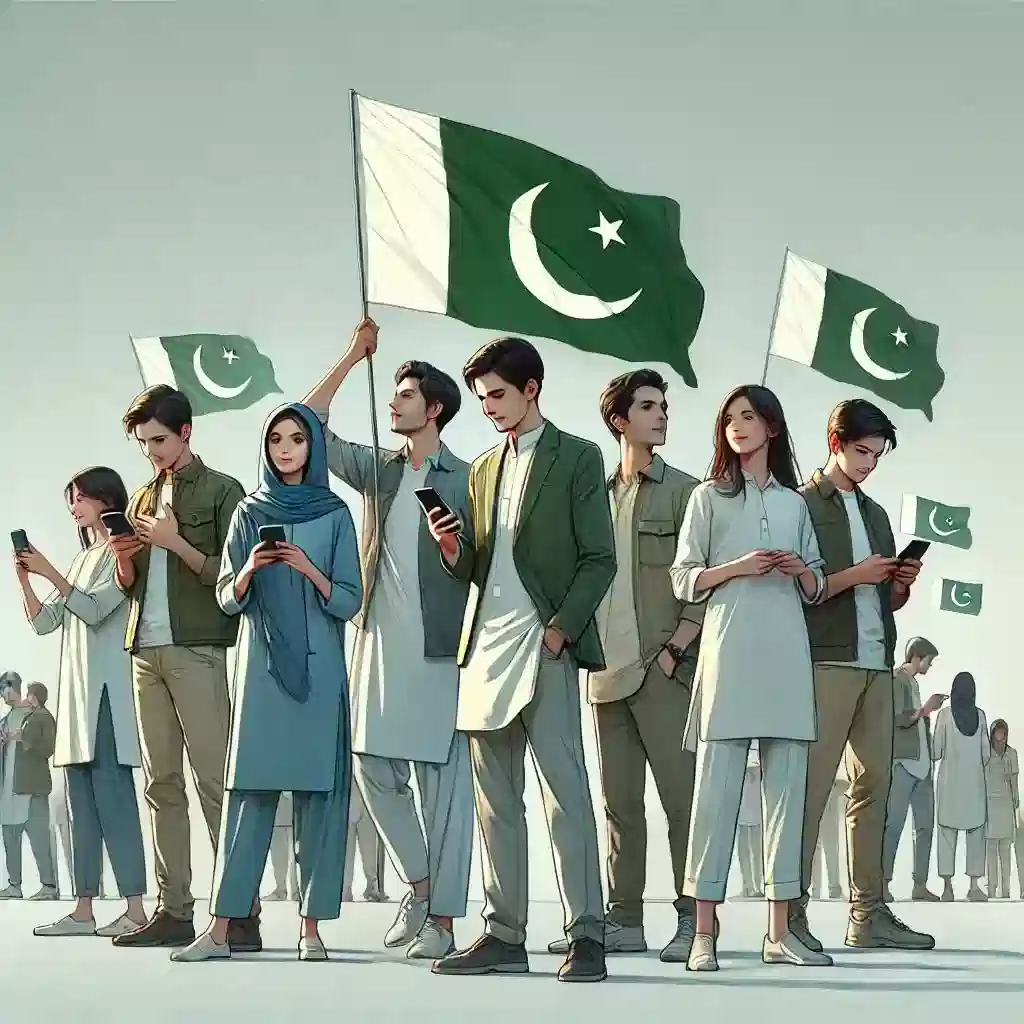
A Digital Awakening
Unlike generations that relied on print media or televised debates, today’s youth has digital megaphones. Twitter (X), Instagram, TikTok, and YouTube are not just entertainment platforms; they are battlegrounds of ideas.
Hashtags like #VoteForChange and #YouthPower have united voices across class and geography. Whether exposing corruption, organizing protests, or amplifying social causes, the internet has given Pakistan’s youth unprecedented agency.
It is political activism reimagined — decentralized, grassroots, and lightning fast.
The PTI Effect
No conversation about youth in politics is complete without acknowledging Imran Khan and Pakistan Tehreek-e-Insaf (PTI). More than any other party, PTI successfully tapped into youthful frustration and energy.
Its rallies became a symbol of youthful defiance, and its Youth Wing mobilized millions who had never participated in politics before. Even in 2025, despite legal challenges and bans on certain leaders, the momentum of PTI’s youth-driven base remains a defining feature of Pakistan’s political narrative.
Barriers to Youth Political Participation
But this is not an easy revolution. Young activists face a maze of obstacles:
- Lack of representation in traditional political parties
- Restrictions on student unions, stifling leadership development on campuses
- Social and state pressure, including fear of harassment, arrests, or backlash
Despite these barriers, independent voices — from activists like Jibran Nasir to grassroots campaigners in smaller cities — are proving that persistence can carve new spaces in Pakistani politics.
The Revival of Student Unions
One of the most important demands of young activists has been the restoration of student unions, banned for decades in Pakistan.
These unions are not just about campus elections; they are incubators for democracy. They teach negotiation, dialogue, leadership, and dissent — skills that are critical for nurturing the next generation of parliamentarians, ministers, and policy leaders.
Youth Voting Trends in 2024
The General Elections of 2024 confirmed what many analysts had predicted: youth voters would not be ignored. Turnout among first-time voters rose sharply, and many chose independents or new candidates over entrenched political dynasties.
This shift signals more than dissatisfaction. It reflects a hunger for alternatives and the willingness to challenge traditional power structures.
Beyond Protest: Youth as Policy Makers
Perhaps the most exciting development is the move from protest to policy. Think tanks, advocacy groups, and digital campaigns are increasingly run by young professionals — lawyers, researchers, engineers, and activists who are as comfortable writing a white paper as they are leading a rally.
This transition suggests that youth are not just critics of the system but potential architects of reform.
A Political Renaissance in Motion
The evolving role of Pakistan’s youth is nothing short of a political renaissance. What was once a sidelined demographic is now a center of gravity for every political debate.
As Pakistan navigates economic uncertainty, governance challenges, and geopolitical shifts, its youth stand as both critics and custodians of change. Their role is not temporary. It is active, influential, and here to stay.