



1500th Eid Milad un Nabi ﷺ – A Celebration of Light, Love, and Unity
Every year, the blessed month of Rabi-ul-Awwal brings with it an atmosphere of spiritual joy and heartfelt devotion across the Muslim world. The 1500th Eid Milad un Nabi ﷺ, celebrated with immense religious fervor in Pakistan and beyond, is not just a day of remembrance—it is a living testimony of the love Muslims have for the Seal of the Prophets, Hazrat Muhammad Mustafa ﷺ. This day holds immeasurable significance as it marks the arrival of the greatest blessing ever sent to humanity: the birth of Rahmatul-lil-Alameen (Mercy to the Worlds).
A Nation Immersed in Devotion

Across Pakistan, cities, towns, and villages are transformed into radiant symbols of devotion. Streets and bazaars gleam with twinkling fairy lights, green flags flutter with pride, and banners inscribed with praises of the Prophet ﷺ adorn every corner. Federal and provincial governments declare a public holiday to allow people the opportunity to participate in religious activities and commemorate the sacred day with dignity.
This year, as always, the celebrations are marked by grand processions, Mehfil-e-Naat (gatherings of poetry in praise of the Prophet ﷺ), Quran recitations, and heartfelt sessions of Durood-o-Salaam. The air resonates with chants of Ya Nabi Salam Alaika and Labbaik Ya Rasool Allah, creating an atmosphere of spirituality that touches the soul of every believer.
The Beauty of Decorations and Spiritual Atmosphere
One of the most remarkable aspects of Eid Milad un Nabi ﷺ is the way entire neighborhoods come alive with light and color. Houses, shops, mosques, and public buildings are illuminated with decorative bulbs and adorned with green banners—green being the symbolic color of Islam and the Prophet ﷺ.
- Mosques: Glowing domes and minarets, with Quranic verses and Durood inscribed on banners, remind worshippers of the eternal message of Islam.
- Markets and Streets: Decorative arches (mehraabs) and ornamental gateways are constructed, welcoming devotees and processions with beauty and grandeur.
- Private Homes: Families take part by lighting lamps, hanging green flags, and hosting Naat gatherings within their homes.
The fragrance of incense, the echo of Naat recitations, and the sight of children holding small green flags create an ambiance of unity, faith, and joy.
Distribution of Food and Charity
One of the noble traditions deeply associated with Eid Milad un Nabi ﷺ is the spirit of sharing and giving. In many towns and cities, believers prepare and distribute Niaz (food offerings) in the form of biryani, sweets, sharbat, and fruits.
- Free food stalls are set up along major streets.
- Volunteers distribute meals among the poor, the travelers, and the needy.
- Families dedicate this day to feeding orphans and widows, reflecting the Sunnah of the Prophet ﷺ, who always cared for the less fortunate.
This act of charity serves as a reminder that true love for the Prophet ﷺ lies in following his teachings—helping the poor, being kind to neighbors, and spreading mercy.
Security and Organization
Given the magnitude of gatherings, the government and law enforcement agencies ensure foolproof security for processions, mosques, and public events. Roads are monitored, police checkpoints are established, and volunteers coordinate with local authorities to manage the smooth flow of events.
The collective effort of citizens and authorities reflects the unity and discipline that Islam emphasizes, ensuring that the celebrations remain safe and spiritually uplifting.
The Spiritual Essence of Milad un Nabi ﷺ
While the outward celebrations—the lights, flags, and processions—are a source of joy, the true spirit of Eid Milad un Nabi ﷺ lies in reflecting upon the life and teachings of the Prophet Muhammad ﷺ.
- Messenger of Mercy: The Quran describes him as “Rahmatul-lil-Alameen” (Mercy for all the worlds) (Surah Al-Anbiya 21:107). His life is the perfect example of compassion, forgiveness, and humility.
- Teacher of Humanity: The Prophet ﷺ uplifted the oppressed, empowered women, gave rights to the poor, and established justice in society.
- Guide for All Times: Whether as a leader, husband, father, or neighbor, every aspect of his life serves as guidance for Muslims in every era.
1500th Rabi-ul-Awwal – A Continuing Legacy
While 12th Rabi-ul-Awwal is traditionally marked as the most significant day of Milad un Nabi ﷺ, many communities continue the celebrations throughout the month, especially up to the 15th of Rabi-ul-Awwal. This extended celebration highlights that the Prophet ﷺ’s birth is not just a one-day event—it is an eternal source of light and guidance.
On the 15th, special gatherings emphasize:
- Deeper reflections on Seerat-un-Nabi ﷺ (the biography of the Prophet).
- Public lectures by scholars focusing on how to apply prophetic teachings in modern life.
- Distribution of Islamic literature and books on Seerah among youth.
- Community services, such as medical camps and blood donation drives, dedicated to the Prophet ﷺ.
These activities remind Muslims that loving the Prophet ﷺ means living by his Sunnah every single day, not just during the month of Rabi-ul-Awwal.
Celebrations Around the World
While Pakistan celebrates Milad un Nabi ﷺ with unmatched devotion, Muslims across the globe also mark this blessed day.
- In Makkah and Madinah: Though celebrations are more modest, thousands of pilgrims and residents recite Durood and organize Quran gatherings near Masjid al-Haram and Masjid an-Nabawi.
- In Turkey: Mosques host special programs and the streets of Istanbul are decorated with Islamic calligraphy banners.
- In Indonesia and Malaysia: Large processions are held, with people wearing traditional clothes and chanting praises of the Prophet ﷺ.
- In African countries: Communities gather for Zikr circles, Naat recitations, and charity events.
- In Europe and North America: Muslim diaspora hold conferences, Seerat exhibitions, and family-oriented programs to educate children about the Prophet ﷺ.
This global participation demonstrates that the message of the Prophet ﷺ transcends cultures, languages, and geographies—uniting Muslims under the banner of faith.
The Lessons of Milad un Nabi ﷺ
Celebrating Eid Milad un Nabi ﷺ is not merely about festivity; it is about renewing our commitment to his teachings:
- Love for Humanity – Emulating his compassion for all, regardless of race, religion, or status.
- Justice and Fairness – Implementing his principles of equality and honesty in daily dealings.
- Service to Others – Following his Sunnah by helping the poor, feeding the hungry, and supporting the oppressed.
- Spiritual Purification – Strengthening our connection with Allah through Salah, fasting, and remembrance.
- Unity of Ummah – Rising above divisions and fostering brotherhood as taught by the Prophet ﷺ.
A Call for Reflection
As Pakistan and the Muslim world celebrate the 15th Eid Milad un Nabi ﷺ with dazzling lights, soulful Naats, and vibrant processions, we must ask ourselves:
- Are we truly living by the teachings of the Prophet ﷺ?
- Do we show the same mercy to others that he showed to his enemies?
- Are we honest in our business, kind to our families, and just in our dealings?
The true gift we can offer to the Prophet ﷺ is to transform our lives according to his Sunnah—because celebrations without practice risk becoming empty rituals.
Conclusion
The 15th Eid Milad un Nabi ﷺ is more than just a religious holiday—it is a celebration of identity, faith, and love. It unites communities, inspires acts of charity, and reminds believers of the timeless message of the Prophet Muhammad ﷺ. From decorated streets in Karachi to spiritual gatherings in Madinah, from the Naat Mehfils of Lahore to the charity drives in London, Muslims everywhere honor the life of the one who brought light to a world engulfed in darkness.
As the blessed month of Rabi-ul-Awwal unfolds, may we not only celebrate the birth of the Prophet ﷺ but also strive to embody his teachings in our lives—spreading mercy, justice, love, and faith wherever we go.
Indeed, the words of the Quran stand eternal:
“Indeed, in the Messenger of Allah (Muhammad ﷺ), you have the best example to follow…” (Surah Al-Ahzab 33:21).

Other Articles
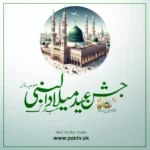
15ویں عید میلاد النبی ﷺ – روشنی، محبت اور اتحاد کا جشن
Beauty in Things Exists in the Mind Which Contemplates Them


